A Practical Guide to Glass Shower Doors and Enclosures in NYC Homes
In NYC, a shower enclosure is rarely a single decision. It is a system choice, one that has to work with the bathroom you actually have, not the one you wish you had. When a shower is selected like a standalone door purchase, the friction shows up later: an opening that feels tight, a swing path that clashes with the vanity, water that escapes at the threshold, privacy that does not feel right, or glass that looks great in photos and becomes high-maintenance in real life.
The projects that feel effortless tend to follow a simple logic. A shower enclosure system is defined by three connected choices:
Form: the enclosure style and footprint
Motion: how the door operates in the room
Glass: clarity, privacy, and day-to-day upkeep
When those choices align, the enclosure does what it should. It keeps the space feeling clean and open, it works smoothly, and it holds up.
Note: While many people use the terms interchangeably, "shower doors" typically refer to the movable panels that allow entry into the shower, whereas "shower enclosures" refer to the entire structure, often including fixed glass panels and doors that form a full enclosure.
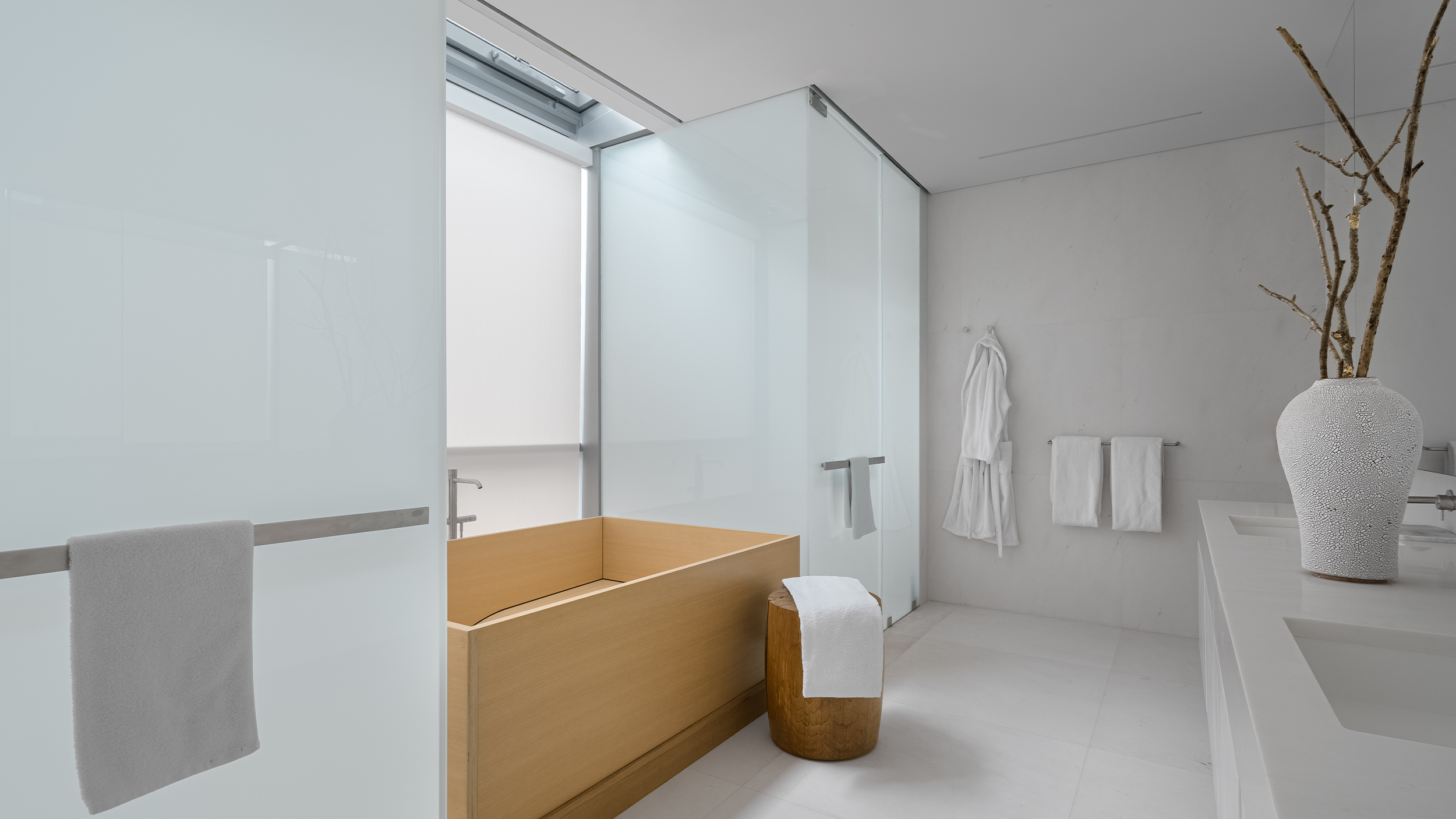
Form: The Enclosure Style That Sets the Tone
Form is the visual foundation. It determines how open the bathroom feels and how much structure the enclosure introduces.
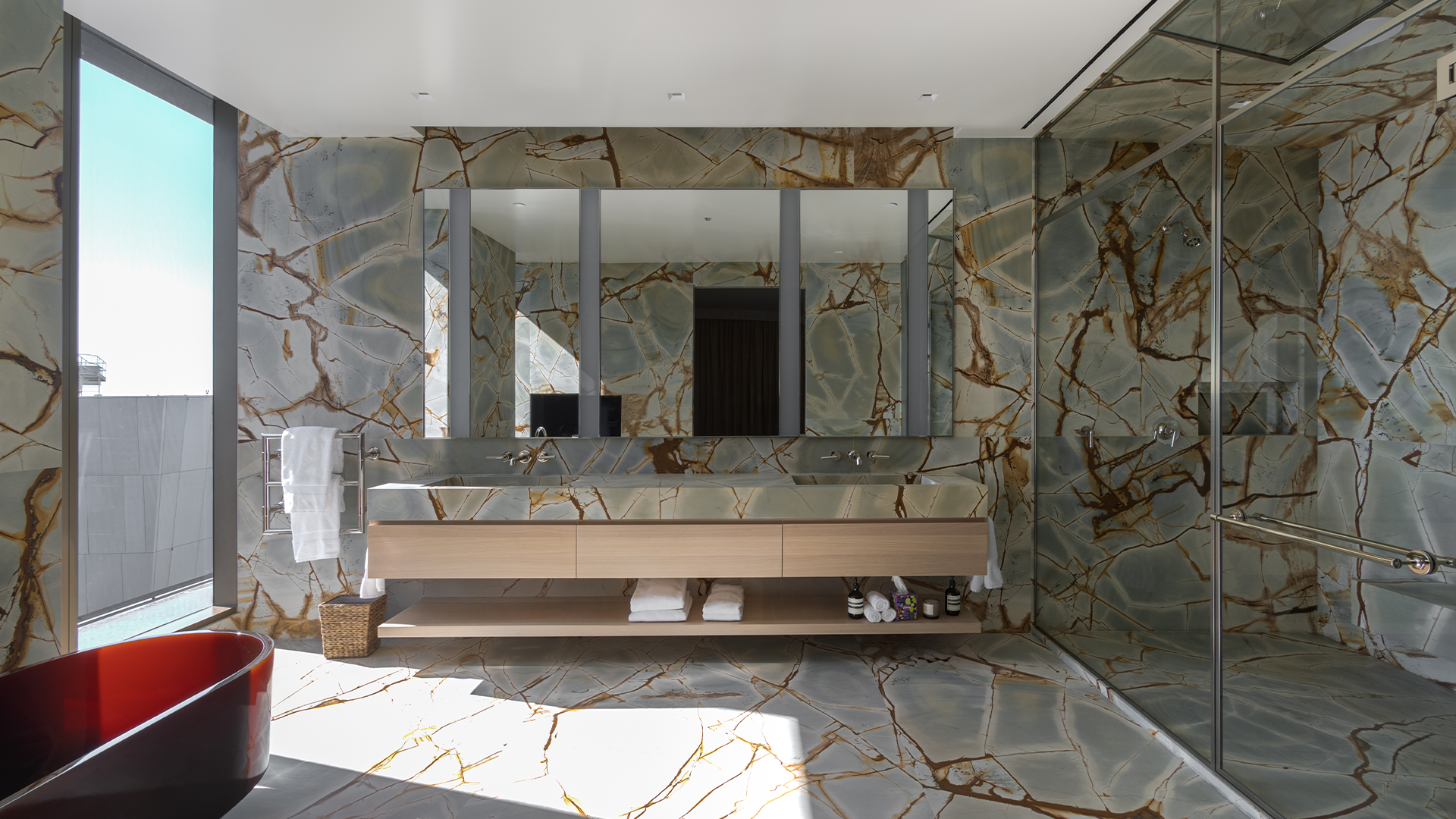
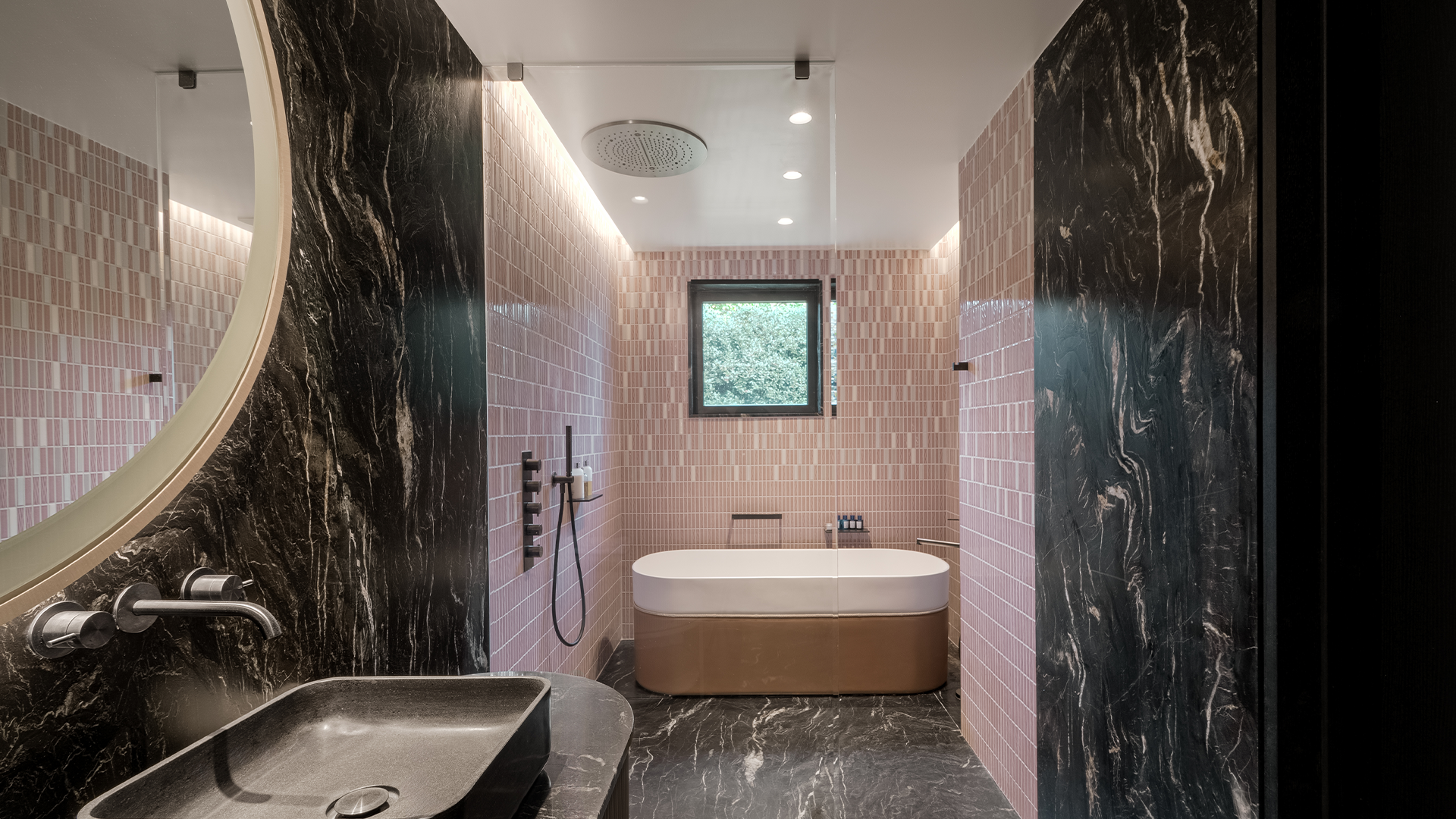
Frameless enclosures are often chosen for their minimal presence: clean lines, open sightlines, and a bright read that can make smaller bathrooms feel calmer. They tend to work especially well when the tile and finishes are meant to be the focal point.
Framed enclosures create a stronger outline. They can be a good fit when you want the shower to read as a defined architectural element rather than something meant to disappear.
Neo-angle enclosures are commonly explored for corner layouts where geometry can create a cleaner entry in compact plans.
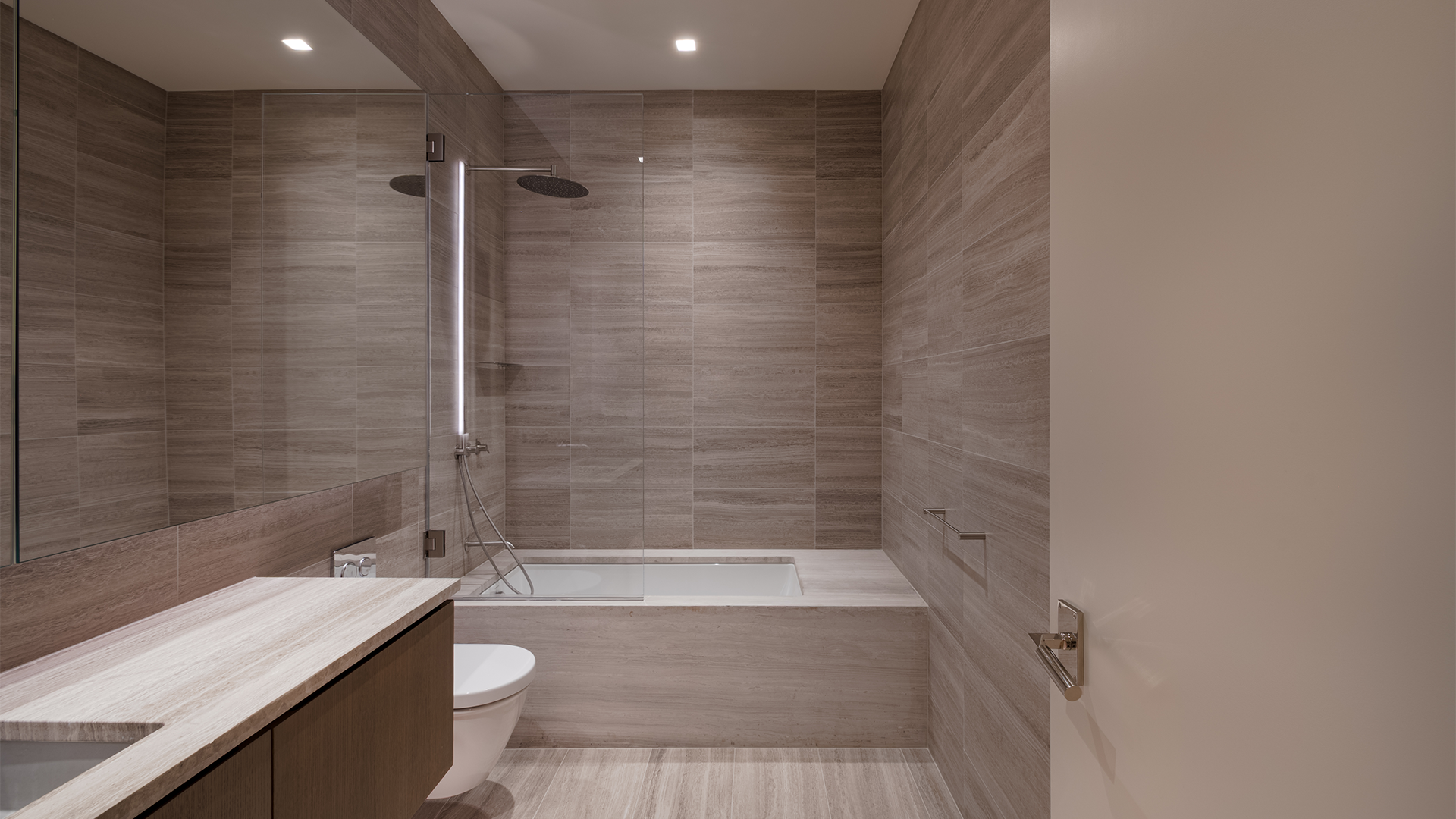
Bath enclosures vary based on how the tub is actually used. Sometimes a fixed panel is enough. Sometimes fuller coverage makes daily use easier.
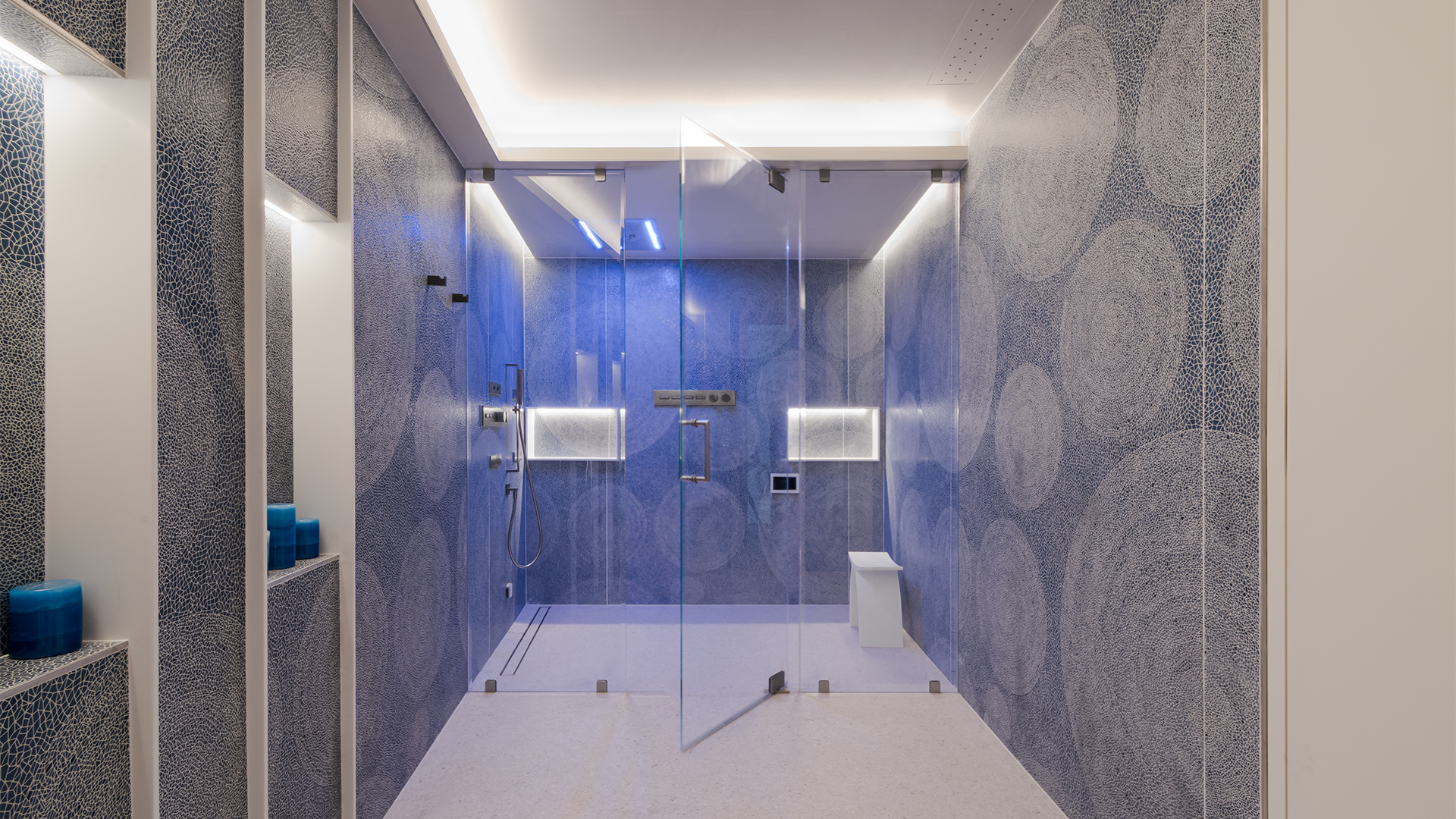
Steam enclosures behave differently by nature. Containment and coverage become part of comfort, which is why steam typically benefits from being planned as its own system rather than treated like a standard shower with an add-on.
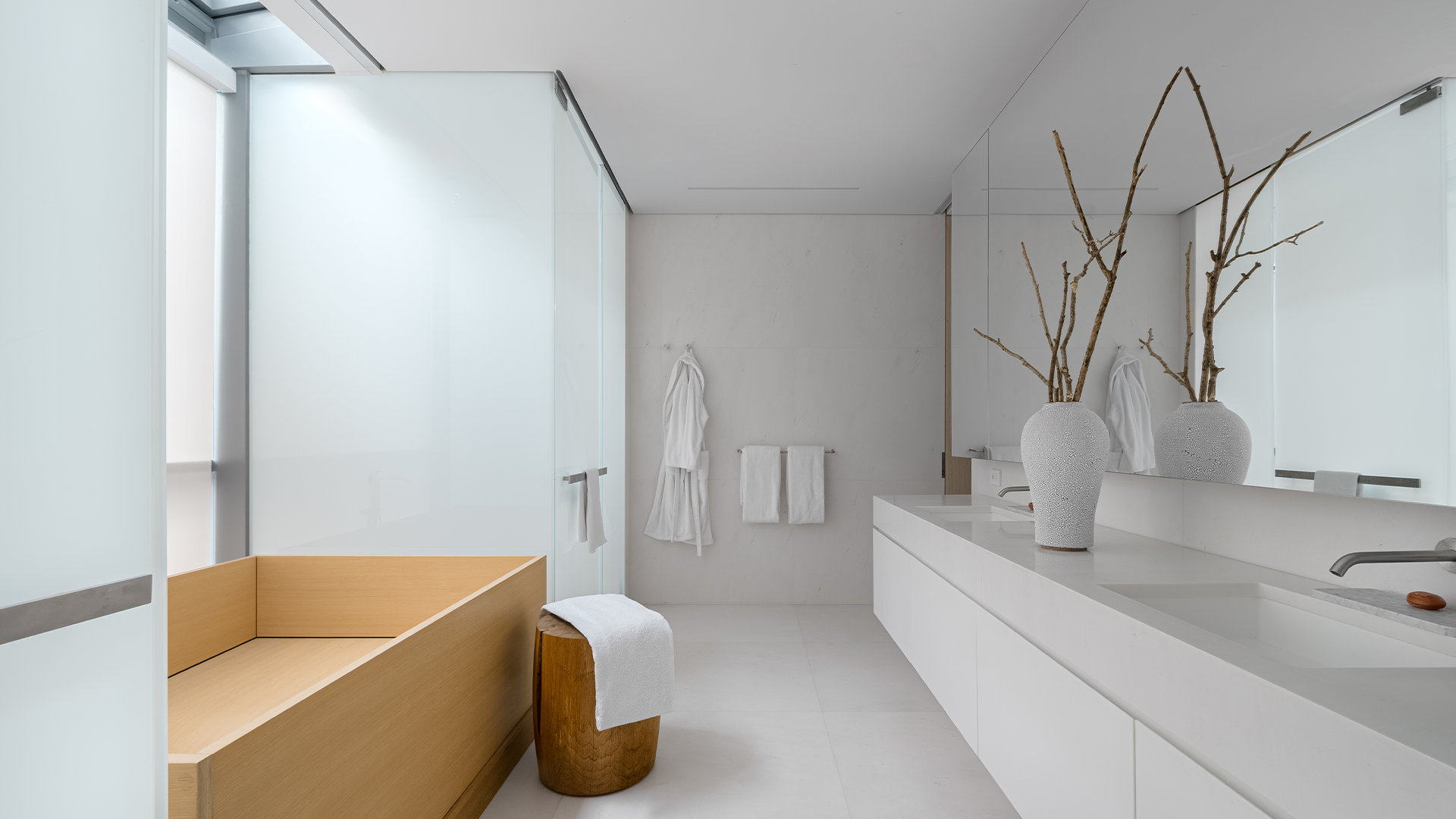
Motion: How the Door Works in the Room
Once form is clear, motion becomes the daily-use decision. In NYC bathrooms, it is often the difference between this looks great and this feels right.
Hinged doors are straightforward when the swing path is truly available. The complication is that swing clearance can disappear quickly once you account for how the room is actually used: standing at the vanity, stepping out with a towel, or passing through the entry.
Pivot doors offer a different swing geometry and a distinct feel in motion. They are often considered when tight adjacencies make a traditional hinge swing less comfortable, or when a more centered motion suits the footprint.
In compact bathrooms, sliding and bypass options are frequently explored because they preserve floor flow. No swing path often means fewer conflicts with nearby fixtures and an easier entry zone.
Bi-fold configurations can make sense when a wider opening is desirable but a full swing simply is not realistic.
Some homeowners also consider continuous-hinge styles, often called a piano hinge, when consistent support and alignment along the full height of the door is a priority. The homeowner-facing benefit is simple: the door should feel stable, close cleanly, and operate smoothly over time.
Glass: Privacy, Clarity, and Upkeep
Glass selection shapes how the enclosure reads in real light and how it feels to live with.
- Clear glass is typically chosen to maximize openness and light transmission, which can be especially helpful in smaller bathrooms.
- Low-iron glass is often selected when clarity and color accuracy matter and you want to reduce the green tint that can show up in standard glass.
- Frosted glass is a practical privacy solution that stays bright while softening sightlines.
- Textured glass adds privacy with a design layer, useful when discretion matters but you do not want the enclosure to feel visually heavy.
This is also where lifestyle matters. Some homeowners do not mind frequent upkeep to keep clear glass looking pristine. Others prefer privacy or texture options because they are more forgiving day to day. The better choice is usually the one you can maintain comfortably.
What Determines Long-Term Satisfaction and Common NYC Missteps
Most frustration comes from details that are easy to overlook early on.
Alignment and fit matter, especially in older NYC homes where walls and tile are not perfectly straight. Small tolerances affect how a door closes, how it feels in motion, and how cleanly the enclosure reads.
Water containment is rarely a seal-only issue. It is typically tied to enclosure configuration, bottom-edge detailing, and transitions, particularly in curbless conditions where slope and splash zones require realistic expectations from the start.
And safety should be a baseline. Shower enclosures typically use safety glass appropriate to the application, with selection and installation focused on consistent performance.
These are not unusual. They are the traps most people cannot see until the room is framed in real life:
Falling for a swing-door look before real clearance is confirmed
Treating water containment as a last-step accessory decision
Choosing privacy glass without considering how it changes brightness and sightlines in a smaller bath
Caught early, these are usually straightforward to solve.
Aria Glass: Your Partner for Custom Shower Doors in NYC
If you are planning a shower upgrade and want clarity before decisions get locked in, Aria Glass can help you confirm the right enclosure system for your bathroom. Share a few photos of the space and rough measurements, and we will guide you toward an enclosure direction that fits your layout, privacy goals, and day-to-day use.