The Ultimate Buyer’s Guide to Glass Railings
If you're considering glass railings for your home or commercial space, you’re already thinking like a modern designer. Glass railings offer a clean, elegant look while enhancing safety and openness - especially in NYC, where maximizing light and space is a priority. But not all glass railing systems are created equal, and understanding your options can help you make the right investment. In this buyer’s guide, we’ll walk you through everything you need to know before installing glass railings, from types and materials to building codes and maintenance tips.
What Are Glass Railings?
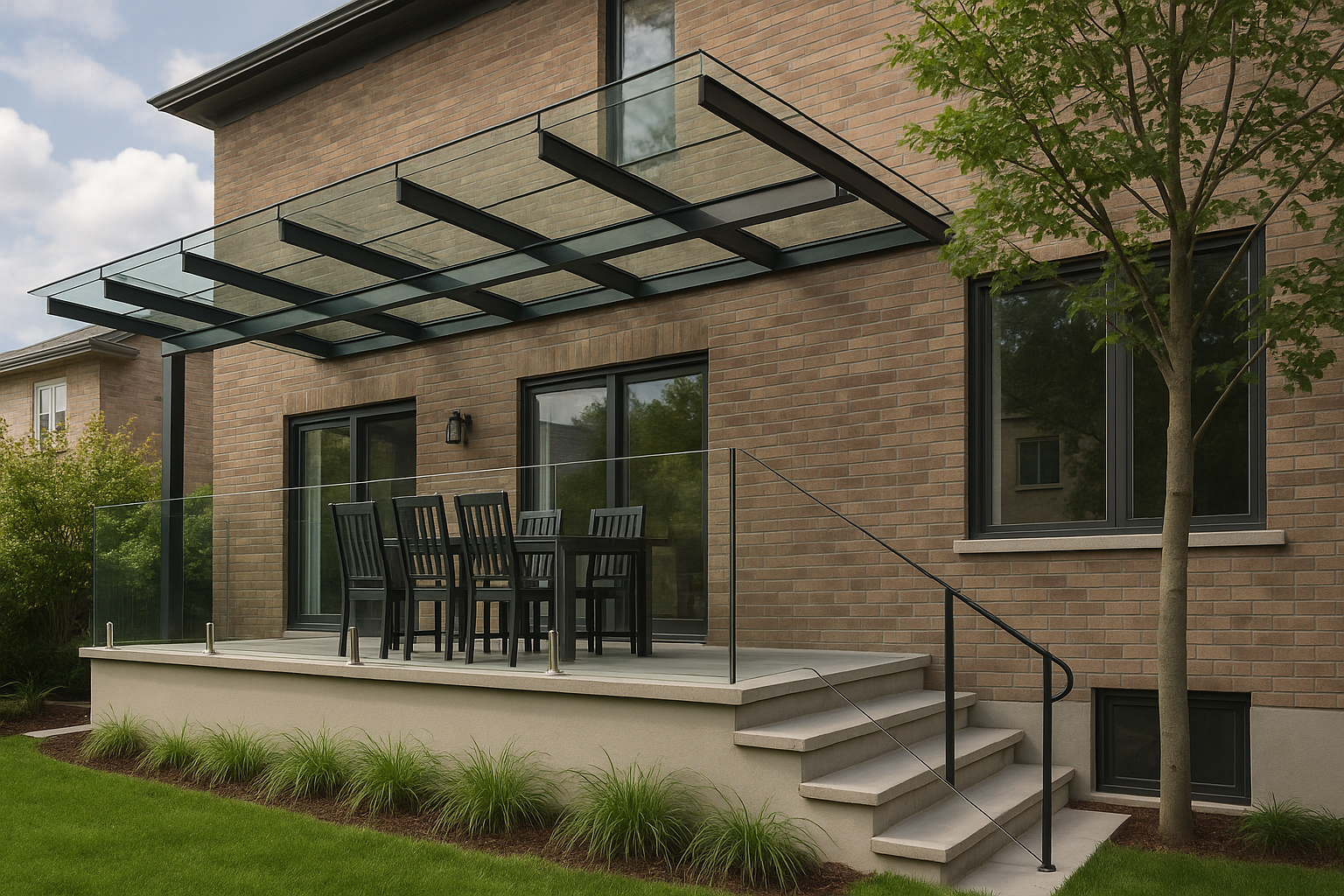
Glass railings are systems made of tempered or laminated safety glass panels supported by hardware or structural framing. Used for staircases, balconies, mezzanines, rooftops, or lofts, they’re prized for combining safety with transparency. In residential and commercial properties alike, they offer a modern design element that doesn’t compromise on function.
Choosing the Right Glass Railing System
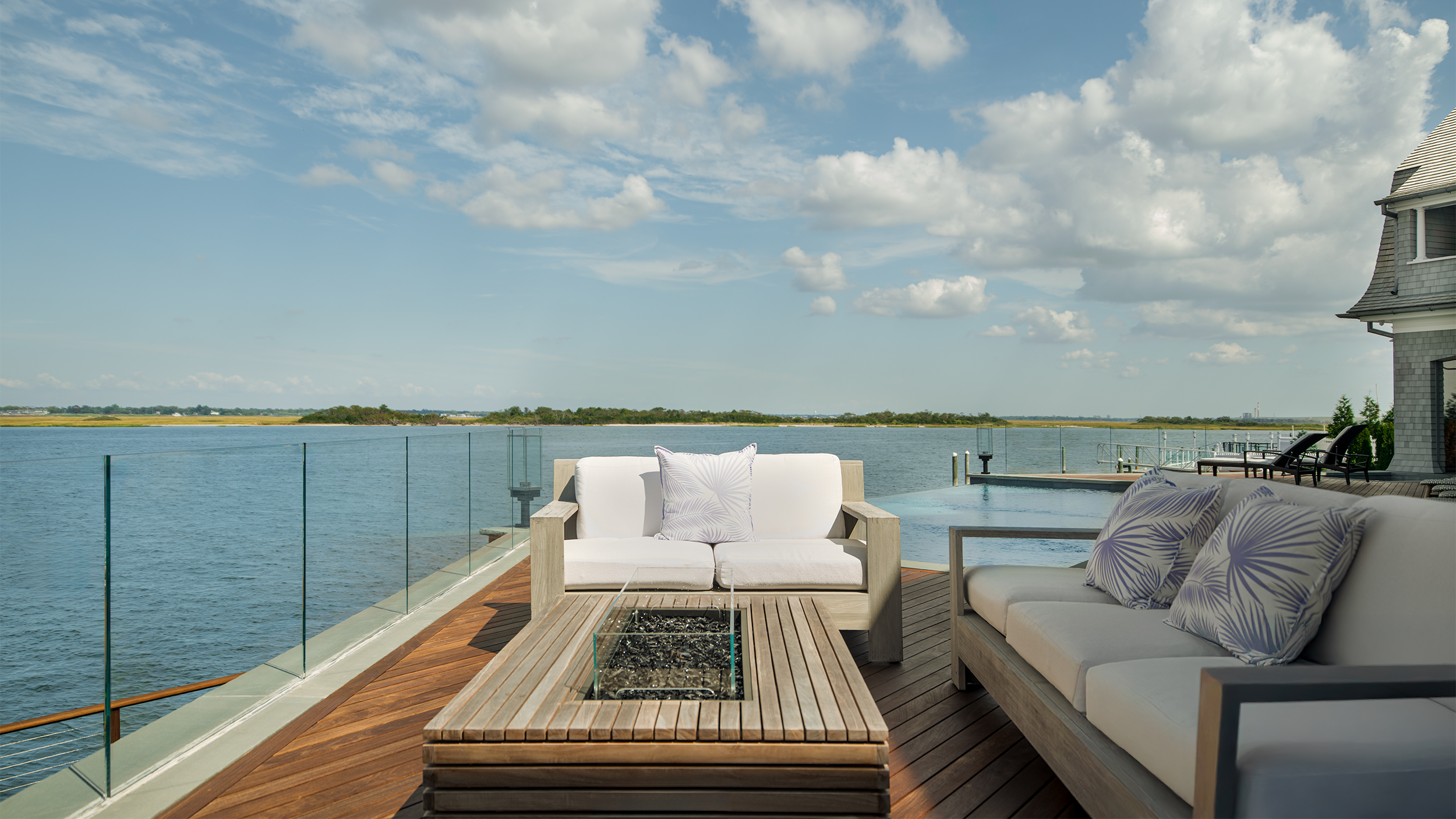
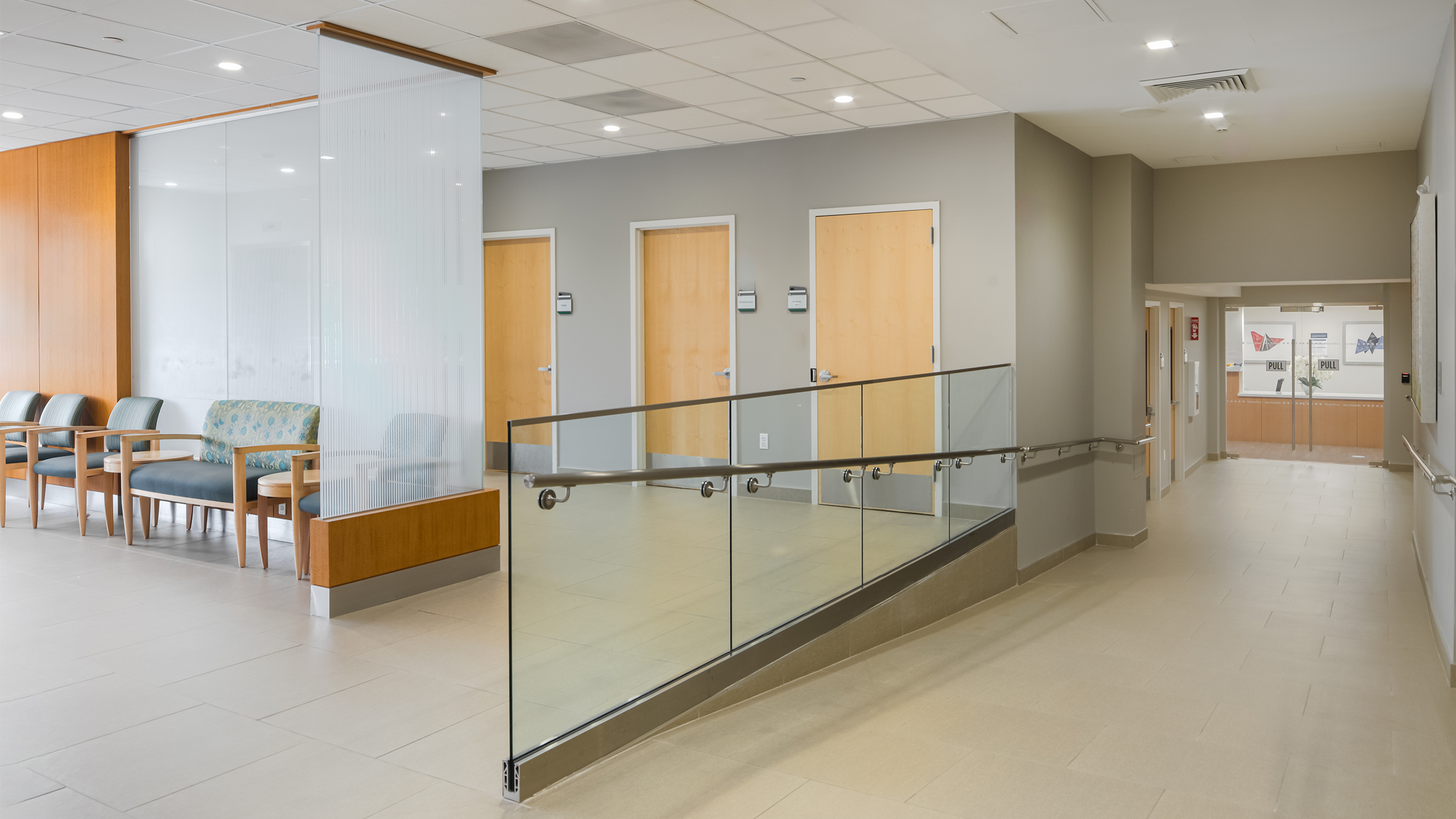
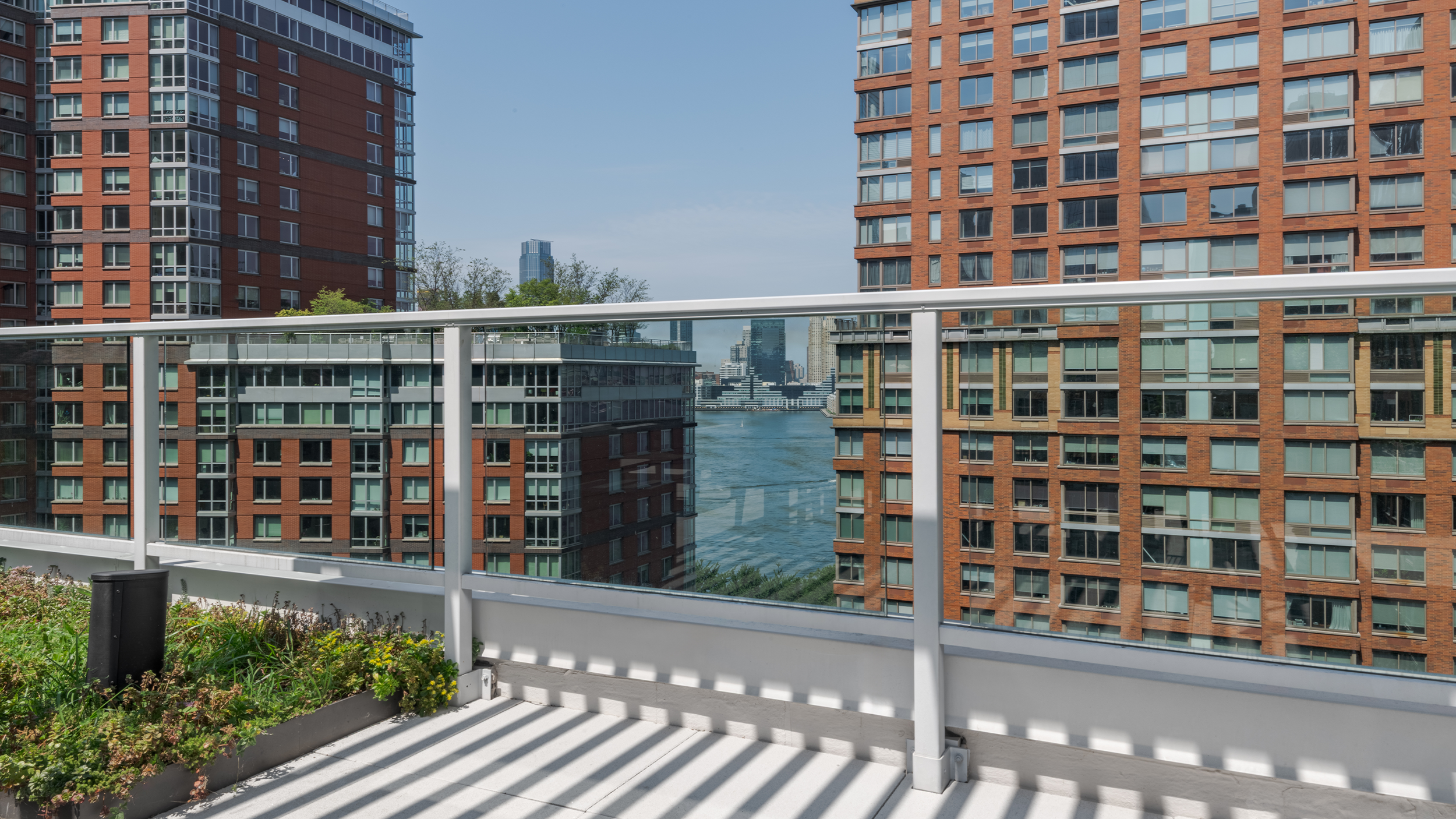
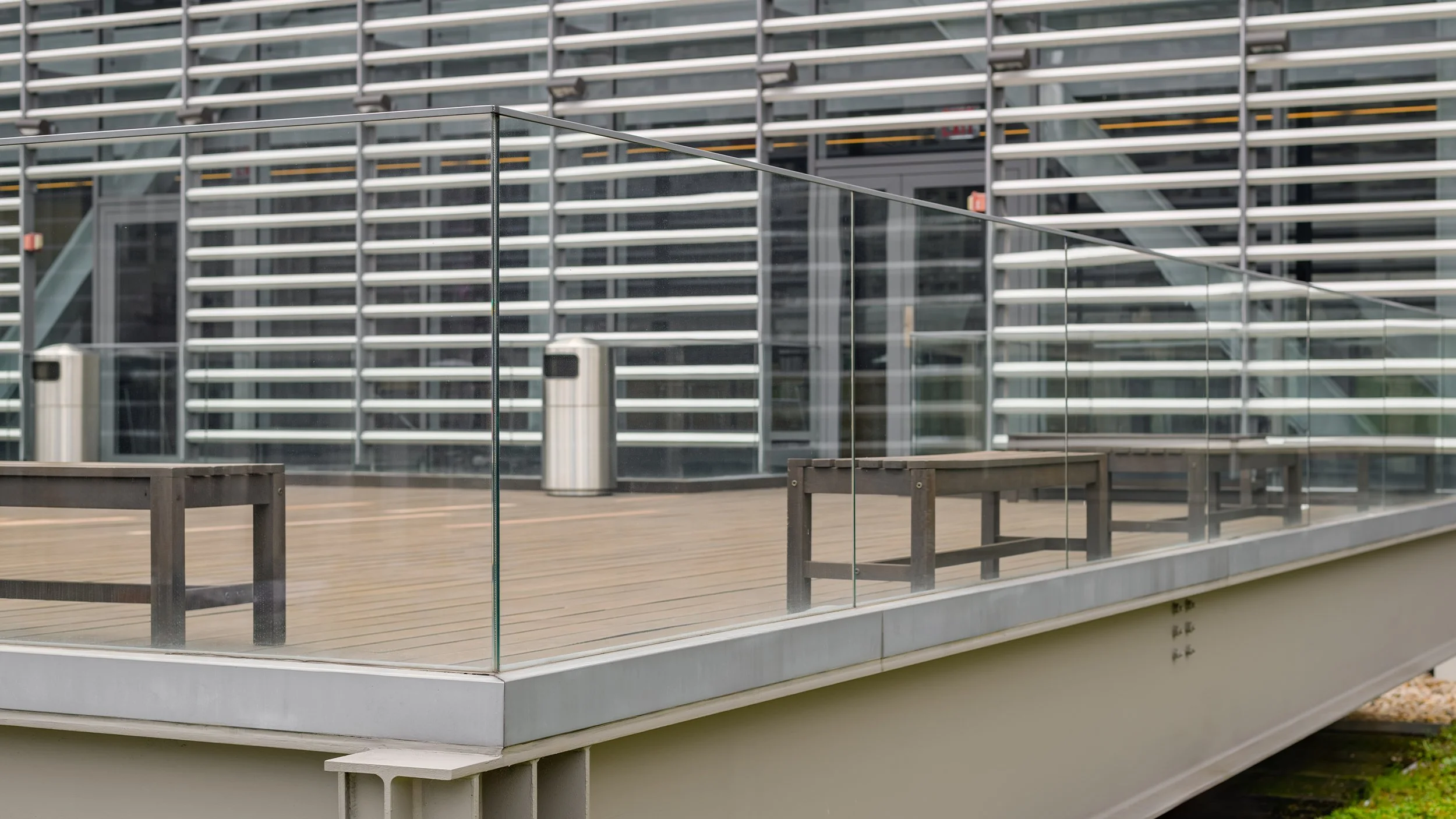
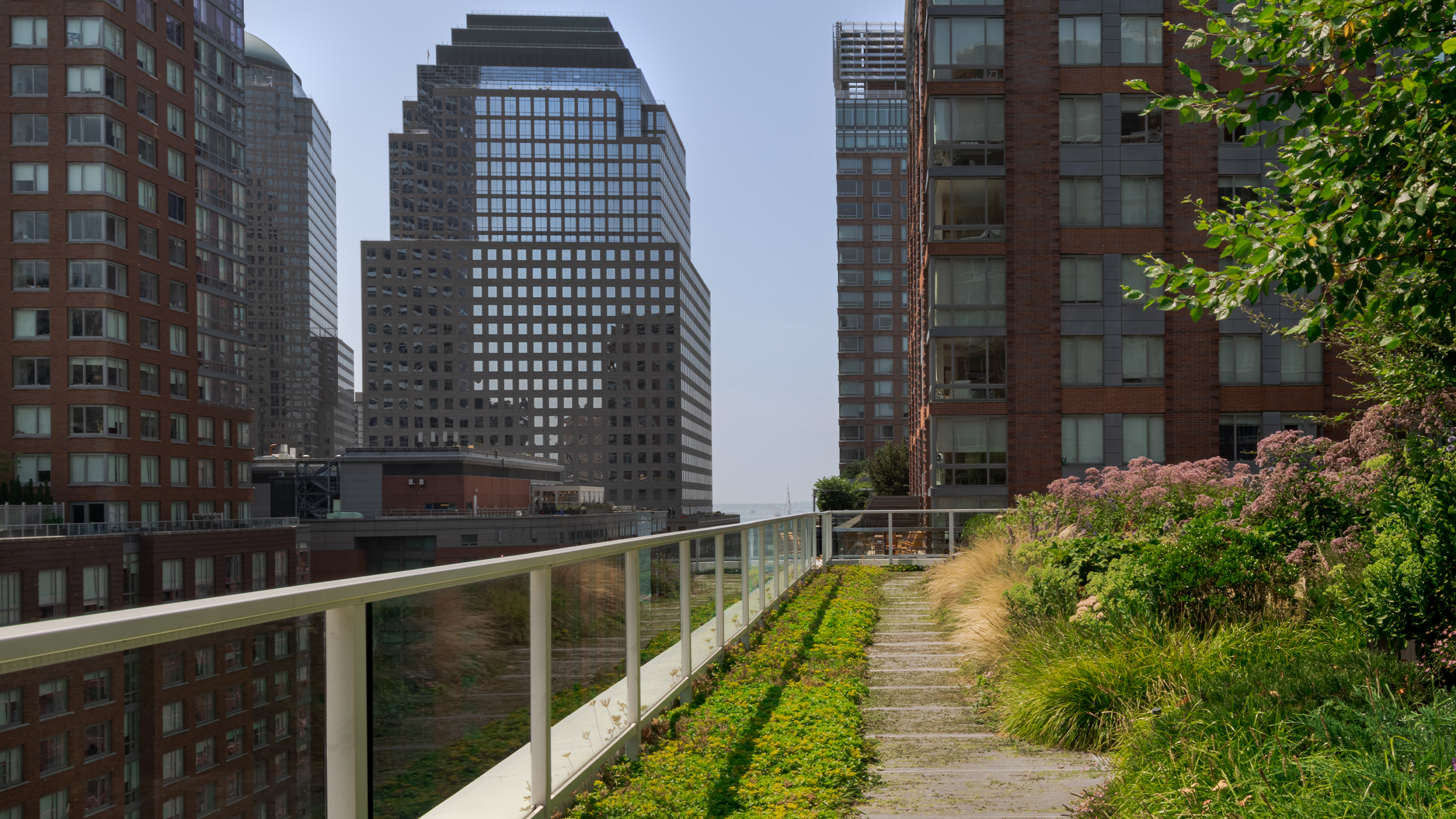
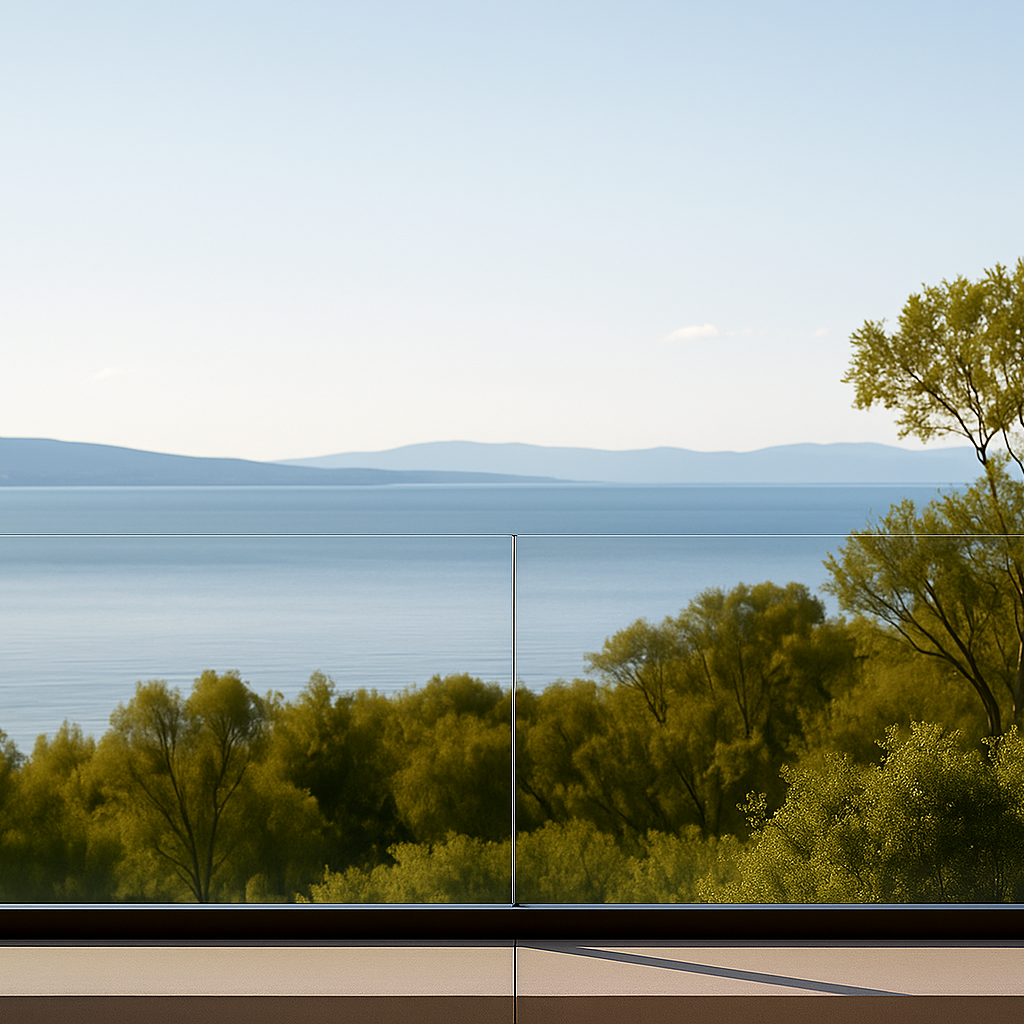
Glass railings offer a sleek, modern alternative to traditional barriers—and choosing the right system depends on your space, style, and safety needs. Frameless designs deliver maximum transparency, ideal for unobstructed views or minimalist interiors. Semi-frameless options strike a balance between style and support, while fully framed systems offer durability and are often favored for high-traffic areas. From staircases to rooftops, glass railings work beautifully indoors and out, provided they meet NYC safety standards with tempered or laminated glass.
Frameless Railings
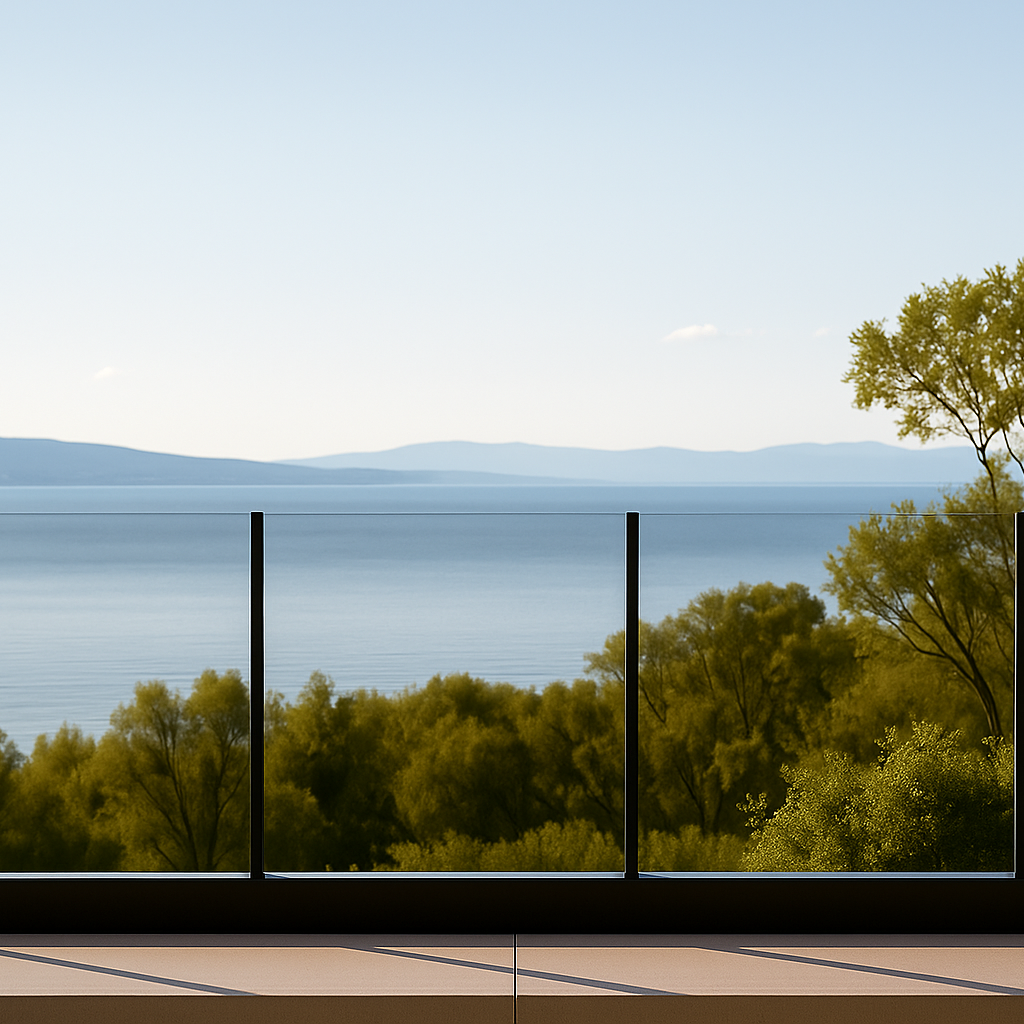
Semi-Frameless Railings
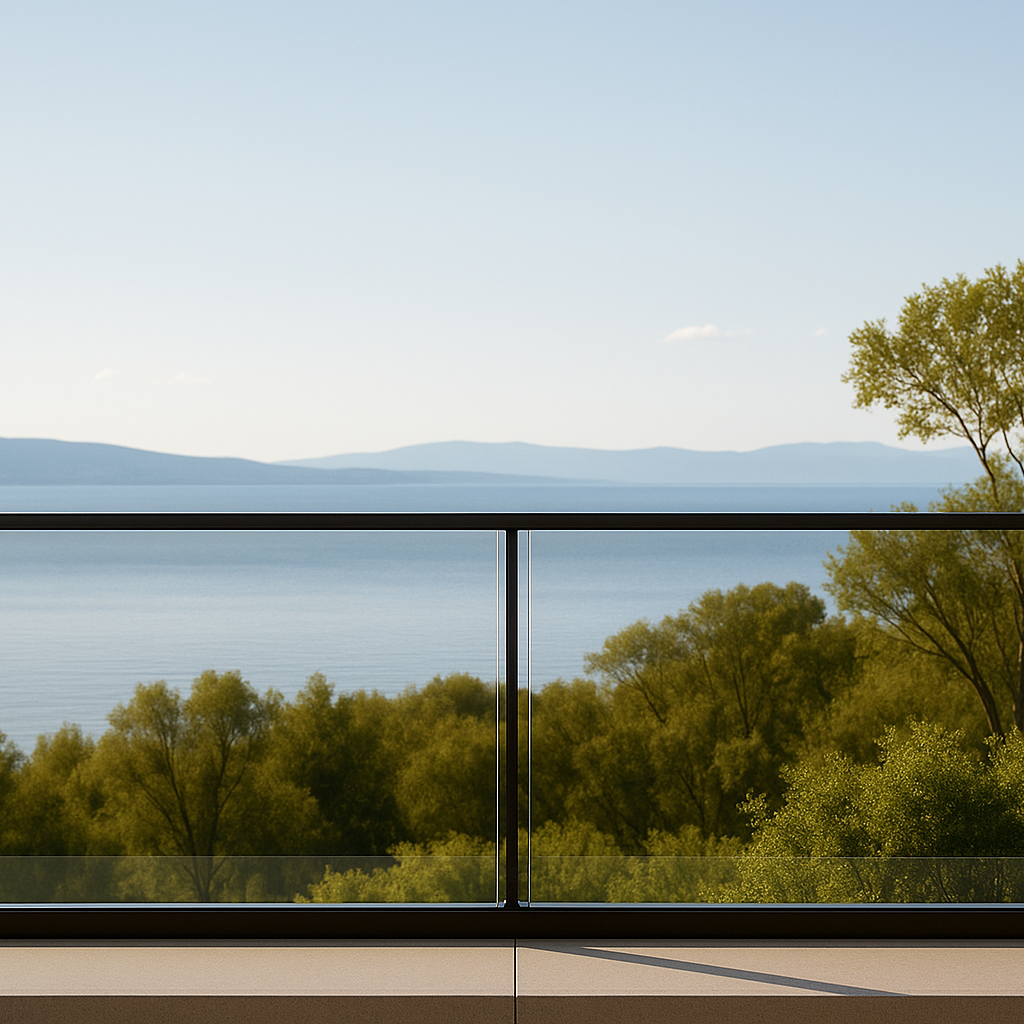
Framed Railings
Ideal Applications
Staircases and mezzanines for an open, light-filled feel
Balconies and rooftops to preserve skyline views
Office lobbies and commercial buildings to meet code while elevating design
Design, Cost, and Maintenance Considerations
When planning your glass railing system, it's important to look beyond the panels themselves. Hardware finishes like brushed stainless, matte black, or brass can complement your space, while handrails - often required in commercial installs - add both form and function. Mounting methods (base shoe, surface, or side-mount) should align with your layout and desired aesthetic.
Costs vary based on the type of glass, framing materials, level of customization, and installation complexity. Frameless systems offer the most streamlined look but tend to be the most expensive.
Fortunately, glass railings are low-maintenance. Indoor systems require only occasional cleaning with non-abrasive glass cleaners, while outdoor installations benefit from corrosion-resistant hardware to ensure long-term durability.
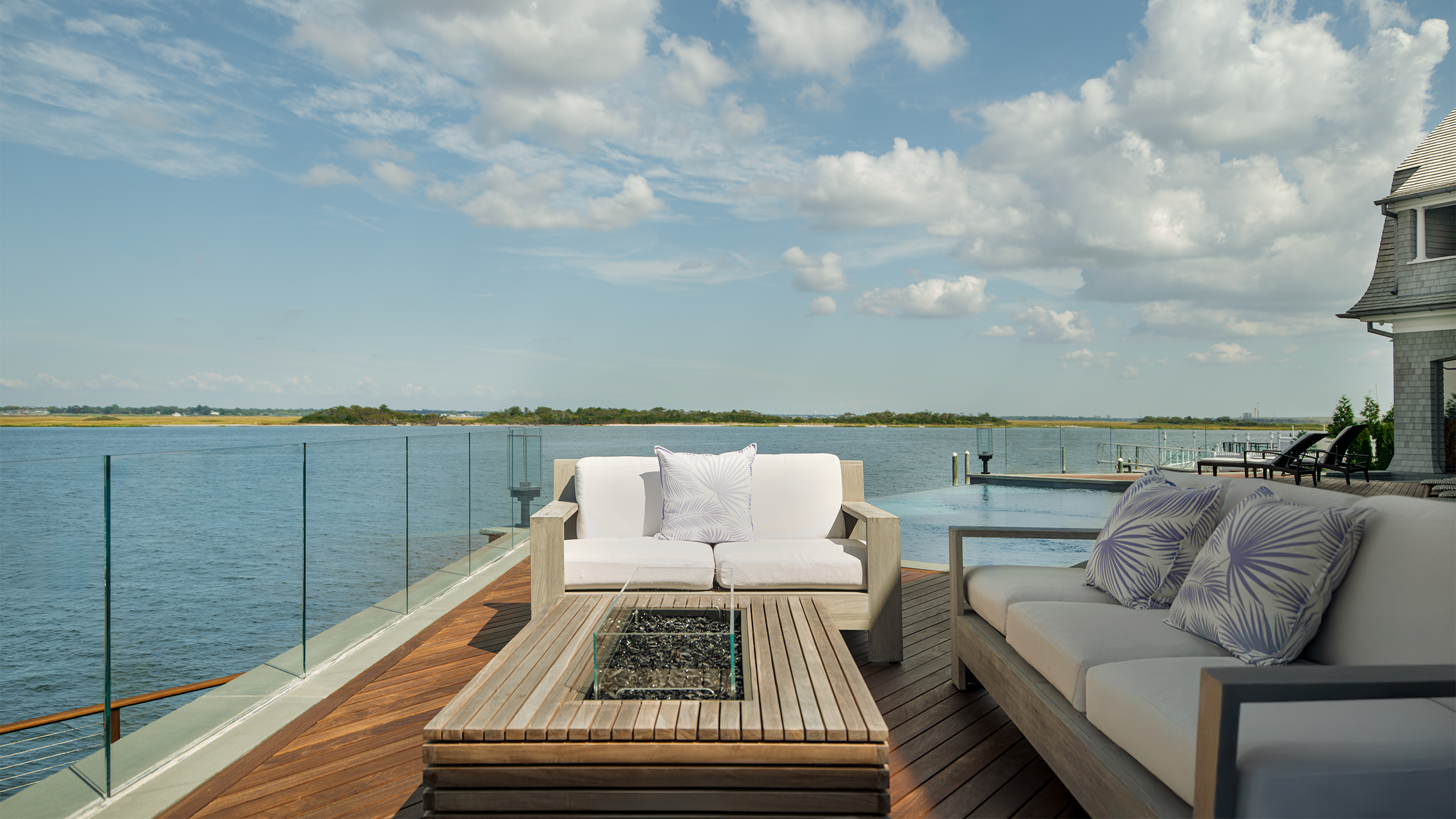
Elevate Your Space with Custom Glass Railings
Glass railings are more than just a design trend - they’re a timeless upgrade that blends safety, sophistication, and space optimization. We provide full-service project support - from design consultation and code review to precise installation and follow-through. Whether you’re a homeowner, architect, or property developer, we deliver safety, clarity, and elegance.
Contact Aria Glass today to schedule your free consultation and explore a system that fits your vision, your budget, and your space.